Genre - Fiction. You are on the page - 492

fe and children,perceiving it, began to cry after him to return; but the man puthis fingers in his ears, and ran on, crying, Life! life! eternallife! [Luke 14:26] So he looked not behind him, but fled towardsthe middle of the plain. [Gen. 19:17]{19} The neighbours also came out to see him run [Jer. 20:10];and, as he ran, some mocked, others threatened, and some criedafter him to return; and, among those that did so, there were twothat resolved to fetch him back by force. The name of the one

often. Mrs. Rachel, ponder as she might,could make nothing of it and her afternoon's enjoyment was spoiled.I'll just step over to Green Gables after tea and findout from Marilla where he's gone and why, the worthy womanfinally concluded. He doesn't generally go to town thistime of year and he NEVER visits; if he'd run out of turnipseed he wouldn't dress up and take the buggy to go for more;he wasn't driving fast enough to be going for a doctor. Yetsomething must have happened since last night

r VI and his son, Cesare Borgia, the Duke Valentino, and these characters fill a large space of The Prince. Machiavelli never hesitates to cite the actions of the duke for the benefit of usurpers who wish to keep the states they have seized; he can, indeed, find no precepts to offer so good as the pattern of Cesare Borgia's conduct, insomuch that Cesare is acclaimed by some critics as the hero of The Prince. Yet in The Prince the duke is in point of fact cited as a type of the man who rises on
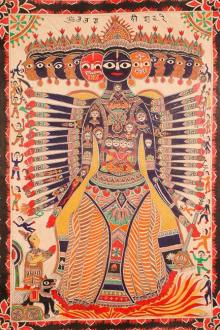
MATTER AND SPIRIT XIV. RELIGION BY SEPARATION FROM THE QUALITIES XV. RELIGION BY ATTAINING THE SUPREME XVI. THE SEPARATENESS OF THE DIVINE AND UNDIVINE XVII. RELIGION BY THE THREEFOLD FAITH XVIII. RELIGION BY DELIVERANCE AND RENUNCIATION CHAPTER I Dhritirashtra: Ranged thus for battle on the sacred plain-- On Kurukshetra--say, Sanjaya! say What wrought my people, and the Pandavas? Sanjaya: When he beheld the host of Pandavas, Raja Duryodhana to Drona drew, And spake these words: Ah, Guru! see

, if not before. It is said thatDeucalion and Pyrrha created men by throwing stones over their headsbehind them:--Inde genus durum sumus, experiensque laborum, Et documenta damus qua simus origine nati. Or, as Raleigh rhymes it in his sonorous way,-- From thence our kind hard-hearted is, enduring pain and care,Approving that our bodies of a stony nature are. So much for a blind obedience to a blundering oracle, throwing thestones over their heads behind them, and not seeing where they fell.

o recall some of the mental habits of those departed days. At most terrestrial men fancied there might be other men upon Mars, perhaps inferior to themselves and ready to welcome a missionary enterprise. Yet across the gulf of space, minds that are to our minds as ours are to those of the beasts that perish, intellects vast and cool and unsympathetic, regarded this earth with envious eyes, and slowly and surely drew their plans against us. And early in the twentieth century came the great